What Does PRN Mean? Complete Guide to PRN in Medical & Everyday Use
Introduction
Confused when your doctor writes “PRN” on a prescription? You’re not alone. This mysterious abbreviation appears on medication labels, nursing schedules, and medical charts daily. Understanding PRN meaning saves you from medication errors and helps you manage your health better. This guide breaks down everything about PRN in simple terms anyone can grasp.
What Does PRN Stand For?
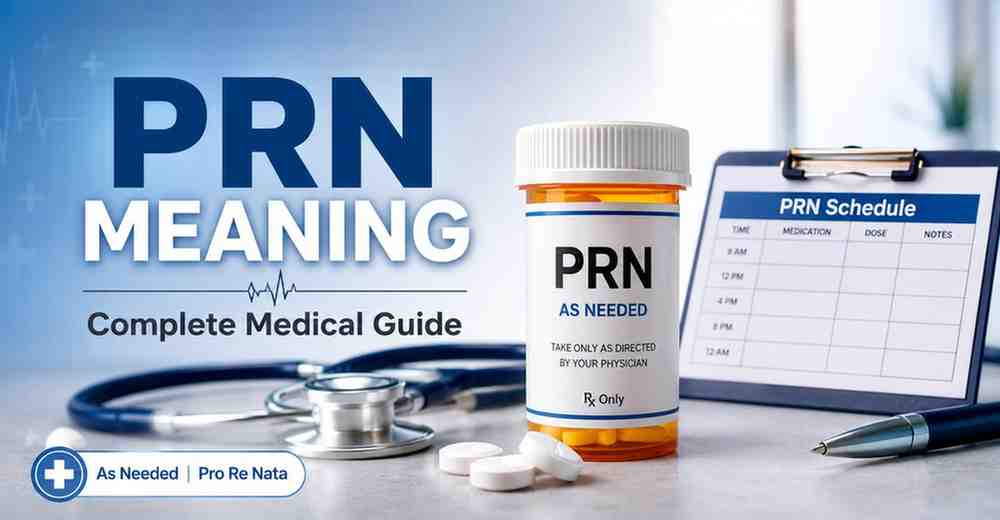
PRN stands for the Latin phrase “pro re nata,” which translates to “as needed” or “when necessary.”
In medical practice, PRN indicates medication or treatment taken only when specific symptoms appear, not on a fixed schedule. Unlike regular medications taken daily at set times, PRN drugs give patients flexibility based on their immediate needs.
Key characteristics of PRN medications:
- Taken only when symptoms occur
- No fixed dosing schedule required
- Patient determines timing within safety guidelines
- Common for pain, nausea, anxiety, and sleep issues
According to the National Library of Medicine, PRN orders represent approximately 25-30% of all medication orders in hospital settings.
PRN Meaning in Medical and Healthcare Settings
Healthcare professionals use PRN across multiple contexts beyond just prescriptions.
Medical applications include:
- Nursing care: PRN shifts allow nurses to work flexible hours when facilities need extra coverage
- Medication administration: Nurses give PRN drugs based on patient assessment and doctor orders
- Treatment protocols: Physical therapy or breathing treatments ordered PRN
- Diagnostic procedures: Tests performed as needed rather than routinely
The American Nurses Association recognizes PRN positions as essential for maintaining adequate staffing levels during high-demand periods.
How PRN Medications Work
PRN medications function differently than scheduled drugs. Your doctor prescribes them with specific parameters you must follow.
Critical guidelines for PRN use:
- Maximum frequency: How often you can take doses (every 4-6 hours)
- Maximum daily amount: Total dosage limit within 24 hours
- Specific symptoms: When medication is appropriate
- Warning signs: When to seek medical attention instead
For example, a prescription might read: “Ibuprofen 400mg PRN for pain, every 6 hours, maximum 1200mg daily.” This means you take it only when pain occurs, waiting at least 6 hours between doses, never exceeding three doses daily.
Common PRN Medications and Examples
Certain medication types appear as PRN orders more frequently than others.
Pain Relief (Analgesics)
- Acetaminophen for headaches
- Ibuprofen for inflammation
- Prescription opioids for severe pain
Nausea and Digestive Issues
- Ondansetron for vomiting
- Antacids for heartburn
- Loperamide for diarrhea
Mental Health
- Anti-anxiety medications for panic attacks
- Sleep aids for insomnia
- Mood stabilizers during episodes
Respiratory
- Rescue inhalers for asthma attacks
- Cough suppressants
- Decongestants for congestion
Other Common PRN Drugs
- Antihistamines for allergies
- Stool softeners for constipation
- Blood pressure medications for hypertension spikes
PRN in Nursing: What Healthcare Workers Should Know
Nurses carry significant responsibility when administering PRN medications to patients.
Assessment requirements before giving PRN drugs:
- Evaluate current symptoms and severity
- Review medication administration record for last dose
- Check for drug interactions and contraindications
- Verify patient allergies and vital signs
- Document reason for administration
PRN nursing positions offer flexibility for healthcare workers who cannot commit to regular schedules. These roles fill temporary gaps, provide vacation coverage, and support facilities during emergencies.
PRN vs Regular Scheduled Medications
Understanding the difference between PRN and scheduled medications prevents confusion and improves treatment outcomes.
| Aspect | PRN Medications | Scheduled Medications |
| Timing | As needed for symptoms | Fixed times daily |
| Frequency | Variable based on need | Consistent daily |
| Patient decision | Patient chooses when | Must take regardless |
| Examples | Pain relievers, antacids | Blood pressure pills, antibiotics |
| Purpose | Symptom management | Disease control/prevention |
| Skipping doses | Acceptable if no symptoms | Can reduce effectiveness |
The FDA emphasizes following prescribed schedules for maintenance medications while using PRN drugs only when genuinely needed.
When to Take PRN Medications Safely
Safe PRN medication use requires understanding when taking them is appropriate.
Take PRN medication when:
- Symptoms match the prescribed indication
- Enough time passed since the last dose
- You haven’t reached the maximum daily limit
- Symptoms are manageable with medication
Avoid PRN medication and call your doctor when:
- Symptoms worsen despite medication
- New symptoms develop
- Side effects occur
- You need PRN medication more frequently than expected
PRN Employment in Healthcare
PRN work arrangements benefit both healthcare facilities and professionals seeking flexibility.
Advantages of PRN positions:
- Work only when your schedule allows
- Gain experience in multiple settings
- Higher hourly rates than full-time staff
- Supplement income from primary employment
Challenges of PRN work:
- No guaranteed hours or income stability
- Limited or no benefits package
- Less job security
- May work undesirable shifts
Healthcare workers often use PRN positions during school, after retirement, or while raising children.
Understanding PRN Dosage Instructions
Reading prescription labels correctly ensures medication safety.
Common PRN label components:
- Drug name and strength: “Acetaminophen 500mg”
- Indication: “for pain” or “for fever”
- Frequency: “every 4-6 hours”
- Maximum dose: “not to exceed 3000mg in 24 hours”
- Additional instructions: “take with food”
Even if symptoms continue, never take more medication than is advised. Overuse leads to serious health complications including liver damage, stomach bleeding, and dependency.
PRN Meaning in Different Medical Specialties
Various medical fields apply PRN terminology differently.
Cardiology: PRN nitroglycerin for chest pain during angina episodes
Psychiatry: PRN antipsychotics for behavioral emergencies in inpatient settings
Pediatrics: PRN fever reducers based on temperature readings
Emergency Medicine: PRN sedation for agitated patients requiring procedures
Oncology: PRN anti-nausea medication for chemotherapy side effects
Each specialty follows specific protocols for PRN administration based on patient populations and clinical situations.
Digital Health and PRN Medication Tracking
Modern technology helps patients manage PRN medications effectively.
Helpful tools include:
- Medication reminder apps with PRN tracking features
- Electronic health records documenting PRN usage patterns
- Smart pill bottles alerting you to maximum doses
- Digital symptom journals correlating symptoms with medication use
These tools provide valuable data for doctors adjusting treatment plans and identifying medication overuse patterns.
Legal and Safety Considerations for PRN Medications
PRN medications carry the same legal requirements as scheduled drugs.
Important safety points:
- Never share PRN medications with others
- Store securely away from children
- Dispose of expired or unused medications properly
- Inform all healthcare providers about PRN drug use
- Watch for signs of dependence or overuse
The DEA classifies many PRN medications as controlled substances requiring special handling and record-keeping.
Teaching Patients About PRN Medications
Healthcare providers must educate patients thoroughly about PRN drug use.
Essential education topics:
- Clear explanation of what symptoms warrant medication
- Demonstration of proper administration technique
- Written instructions in plain language
- Discussion of expected effects and timing
- Warning signs requiring medical attention
- Follow-up plan and refill procedures
Patient understanding directly impacts medication adherence and treatment success.
Complete PRN Medication Reference Table
| Category | Common Medications | Typical Use | Standard Frequency | Maximum Daily Dose |
| Pain | Acetaminophen | Headache, fever | Every 4-6 hours | 3000mg |
| Pain | Ibuprofen | Inflammation, pain | Every 6-8 hours | 1200mg (OTC) |
| Nausea | Ondansetron | Vomiting | Every 8 hours | 24mg |
| Anxiety | Lorazepam | Panic attacks | Every 6-8 hours | Varies by prescription |
| Sleep | Zolpidem | Insomnia | Once at bedtime | 10mg |
| Allergy | Diphenhydramine | Allergic reactions | Every 4-6 hours | 300mg |
| Breathing | Albuterol inhaler | Asthma attacks | Every 4-6 hours | Varies |
| Digestive | Calcium carbonate | Heartburn | As needed | 7000mg |
| Constipation | Docusate sodium | Hard stools | Daily to BID | 400mg |
| Cough | Dextromethorphan | Cough suppression | Every 4 hours | 120mg |
Frequently Asked Questions About PRN Meaning
What does PRN mean on a prescription bottle?
PRN on a prescription bottle means “as needed.” You take the medication only when experiencing the specific symptoms it treats, following the frequency and maximum dose instructions provided. This differs from medications taken on a regular schedule regardless of symptoms.
Can I take PRN medication every day?
You can take PRN medication daily if symptoms occur daily, but frequent need may indicate your condition requires better management. Contact your healthcare provider if you need PRN medication more than a few times weekly, as this suggests your treatment plan needs adjustment.
What’s the difference between PRN and full-time nursing?
PRN nursing positions offer flexible, as-needed scheduling without guaranteed hours or benefits. Full-time nursing provides regular schedules, steady income, health insurance, and paid time off. PRN nurses typically earn higher hourly rates but lack employment stability and benefit packages.
How long should I wait between PRN doses?
Wait times between PRN doses depend on the specific medication prescribed. Most PRN drugs require 4-8 hours between doses. Always check your prescription label or medication guide for exact timing, and never exceed the maximum daily dosage regardless of symptom severity.
Are PRN medications safe for children?
Many PRN medications are safe for children when prescribed by a pediatrician with appropriate dosing. Never give children adult PRN medications or estimate doses. Always use weight-based dosing tools and follow pediatric formulation instructions exactly as prescribed.
What happens if I take too much PRN medication?
Taking excessive PRN medication causes overdose symptoms ranging from mild discomfort to life-threatening complications. Acetaminophen overdose damages the liver, while opioid excess causes respiratory depression. If you accidentally exceed maximum doses, contact poison control immediately at 1-800-222-1222 or seek emergency care.
Conclusion
Understanding PRN meaning empowers you to use medications safely and communicate effectively with healthcare providers. Whether managing occasional headaches, working PRN nursing shifts, or caring for family members, this knowledge protects health and prevents medication errors.
Apply these guidelines during your next pharmacy visit or medical appointment. Share this information with family members managing chronic conditions requiring PRN medications. Your health decisions improve when you understand the medical terminology affecting your care.
Have questions about your specific PRN medications? Always consult your healthcare provider or pharmacist for personalized medical advice tailored to your unique health situation.
Author Expertise: This comprehensive guide was developed using current medical standards, pharmacy guidelines, and nursing protocols. Information reflects practices from established healthcare institutions and regulatory agencies including the FDA, DEA, and National Library of Medicine.
Medical Disclaimer: This article provides educational information only and does not replace professional medical advice. Consult qualified healthcare providers for diagnosis and treatment decisions regarding your specific medical conditions.