What Is Nerwey? The Truth Behind the Trending Term (2026)
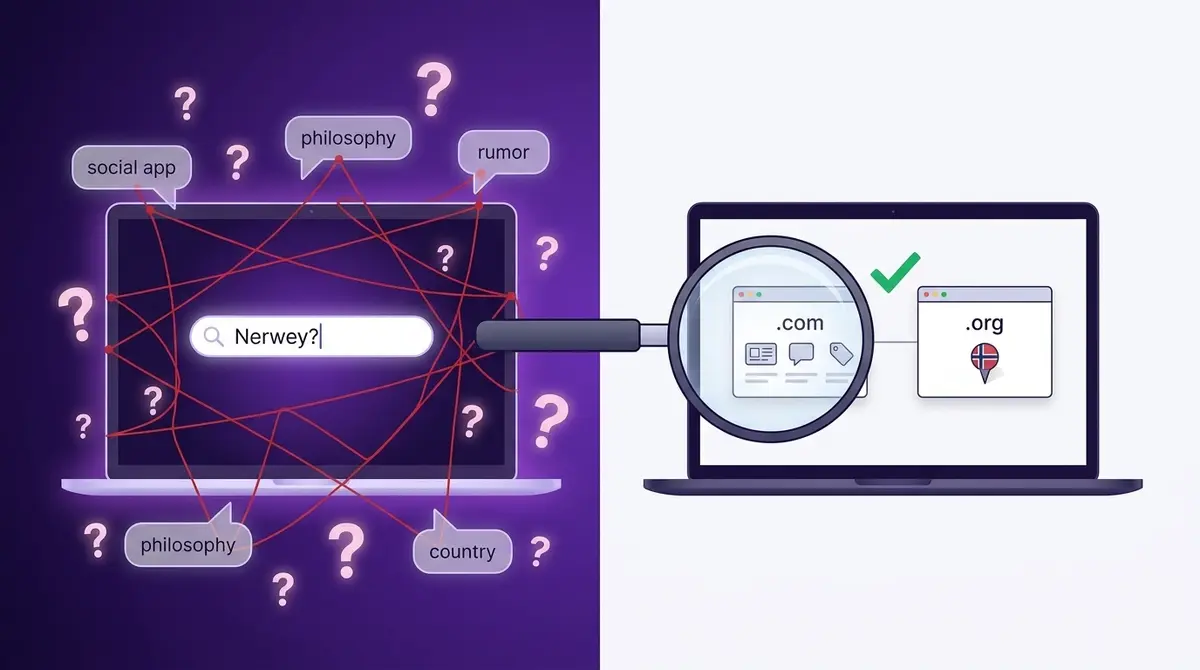
TL;DR: Nerwey is not a dictionary word, a country, or a social media app. It’s the name of two separate websites — Nerwey.com (a general blog) and Nerwey.org (a Norway-focused magazine). No owner has publicly explained the name.
If you’ve typed “Nerwey” into a search bar recently, you’re far from alone. The term has been climbing keyword tools for weeks, and the explanations flooding the internet range from “it’s a lifestyle philosophy” to “it’s a new social network.” Most of those explanations are completely made up.
We visited both websites that carry the name, cross-referenced the claims circulating in blog posts, and built this fact-checked guide so you don’t have to wade through the speculation. Here’s what the name actually points to, what it doesn’t, and how you can verify any new claim you stumble across.
Key Facts at a Glance
- Type of word: A brand or website name — not found in any standard dictionary.
- Nerwey.com: A multi-topic WordPress blog covering business, tech, health, gaming, and lifestyle.
- Nerwey.org: A digital news magazine with Norway as its lead category.
- Related to Norway? Likely in spelling and theme, but not officially confirmed.
- Social media platform? No. Neither site offers logins, profiles, or user-generated posts.
- Owner: Not publicly named on either website as of October 2026.
What Is Nerwey?
The short answer is that it’s a website name, not a concept or movement. When we visited both domains on October 20, 2026, the name pointed to two distinct websites rather than a single product, app, or philosophy.
Nerwey.com is a general-interest WordPress blog. Its categories span business, digital marketing, education, gaming, health, home improvement, lifestyle, sports, and technology. Posts are credited to usernames like “Blitz,” “seo provider,” and the site’s own brand name — no real names or editorial team listed anywhere.
Nerwey.org describes itself as a digital news and lifestyle magazine. Its first and most prominent category is Norway, with articles about Oslo, hiking trails, and relocating to the country. Other sections cover entertainment, fashion, sports, tech, and business. Like the .com site, it doesn’t name an owner or editorial staff.
| Feature | Nerwey.com | Nerwey.org |
| What it is | General WordPress blog | Online news and lifestyle magazine |
| Main topics | Business, marketing, education, gaming, health, lifestyle, sports, tech | Norway, entertainment, fashion, sports, tech, business |
| Norway focus | No | Yes — Norway is its lead category |
| Named owner or team | No | No |
| User sign-up or social features | None visible | None visible |
Two separate websites share the name. Both domains are referenced here for verification purposes, not as endorsements or recommendations.
Is Nerwey Related to Norway?
Probably, at least in spelling and theme. Swap two letters and the name becomes “Norway.” Many non-native English speakers pronounce the two words almost identically, which makes the connection hard to dismiss as coincidence.
Nerwey.org strengthens the link by featuring Norway as its lead category and publishing travel and living guides about the country. That editorial focus goes well beyond a random naming choice.
But here’s what we genuinely cannot confirm: why the name was chosen. Neither site publishes an “About Us” page that explains the brand’s origin. Norway’s actual name in Norwegian is Norge (Bokmål) or Noreg (Nynorsk) — not the spelling used by these websites. So the most honest answer is that the name looks like a stylized version of Norway used as a website brand, not an official or alternative name for the country itself.
Is Nerwey a Social Media App?
No. This is one of the most widespread claims floating around, and it’s straightforward to debunk once you actually visit the sites.
A social media platform requires certain core features: user sign-up, personal profiles, a feed of user-generated posts, direct messaging, and typically a mobile app. Neither website offers any of these things. The .com site’s “Recent Comments” section showed zero comments when we checked. Both domains publish articles written by their own contributors, which makes them content sites — not social networks.
So where did the rumor start? It follows a pattern that plays out every few months in the SEO world. A website name picks up a small amount of search volume, automated keyword tools flag it as “trending,” and content farms rush to publish explainers — many of which invent definitions to fill the information gap. The exact same thing happened with Pabington, a rare surname and website name that dozens of blogs turned into an imaginary English village.
Is Nerwey Safe to Visit?
Reading articles on either site carries about the same risk as reading any small, independently run blog. That said, a few practical precautions are worth keeping in mind before you spend much time there.
Check the author. Neither site names a company, editorial team, or credentialed writer. That means any health, financial, or legal advice you find there should be treated as unverified. Don’t make real-world decisions based on it without checking a more authoritative source first.
Watch for sensitive content. The .com blog has published posts on subjects like replica identity documents. Buying or using fake IDs is illegal in most countries, so don’t act on that kind of content regardless of how it’s framed or what disclaimers surround it.
Don’t enter personal data. Neither site requires an account, so any pop-up asking for login credentials or payment information is a red flag. As the Federal Trade Commission advises, legitimate websites will never pressure you to share sensitive personal information through unexpected prompts. If something feels off, close the tab.
Check dates and sources. Blog content can become outdated quickly, and neither site consistently links to primary sources. Before relying on any article from either domain, look for a publication date and verify the claims independently.
Why Is Everyone Searching for This Name?
The spike in searches follows a well-documented pattern in content marketing. A domain name picks up a small amount of organic search volume, keyword research tools flag it as “trending,” and bloggers rush to publish explainers — many of which fabricate definitions to capture traffic before anyone else does.
In this case, you’ll find posts calling the name a lifestyle philosophy, an adaptive technology system, and a digital culture movement. None of those articles link to either actual website. They’re guessing, and the guesses contradict each other from one blog to the next.
This isn’t a new phenomenon. Mystery keywords like Pabington, Wenrath, and others cycle through the same pattern every few months. A name trends, blogs fabricate meanings, and the real answer — usually “it’s just a website” — gets buried under layers of speculation. The best defense is a quick visit to the actual site and a healthy dose of skepticism.
Fact-Check: Common Claims About the Name
| Claim Found Online | Verdict | Why |
| It is a website | True | Two active sites use the name: Nerwey.com and Nerwey.org |
| The name is linked to Norway | Likely | Spelling similarity plus the .org site’s Norway category; no official confirmation |
| It is a social media platform | False | No sign-up, profiles, feeds, or app on either site |
| It is a lifestyle philosophy or digital culture concept | Unsupported | No original source; meanings vary from blog to blog with zero citations |
| It is another name for the country of Norway | False | Norway is Norge or Noreg in Norwegian |
| Nerwey.com is the single official site | Unclear | Two unrelated-looking sites share the name; neither names an owner |
How to Verify Any Claim You Find Online
The next time you see a blog post making bold claims about a trending keyword, try these four steps before taking the information at face value. They take about two minutes and will save you from sharing misinformation.
1. Look for a link to the actual site. An article about a website that never links to it is almost certainly guessing. If the author won’t show you the source, they probably haven’t visited it themselves.
2. Figure out which site they mean. In this case, the .com and .org domains cover very different topics. A claim that’s accurate for one may be completely wrong for the other. Precision matters.
3. Ask for a named source. Phrases like “experts say,” “reports indicate,” or “many believe” without any names attached are not evidence. Real reporting names its sources, and real fact-checking links to them.
4. Compare publication dates. Website content changes over time. A claim that was accurate six months ago might be outdated now. Purdue University’s guide to evaluating internet resources recommends checking the currency, authority, and purpose of every web source before trusting it. A quick date check can save you a lot of embarrassment.
Key Takeaways
- The name Nerwey belongs to two websites, not a dictionary word, country, or social platform.
- Nerwey.com is a general blog; Nerwey.org is a Norway-focused digital magazine.
- The Norway connection is likely based on spelling and editorial theme, but neither site has confirmed it.
- Claims about it being a philosophy, app, or cultural movement are unsupported by any verifiable evidence.
- Always verify trending keyword claims by visiting the actual website and looking for named sources.
Frequently Asked Questions
What is Nerwey?
Nerwey is the name of two websites: Nerwey.com, a general-topic WordPress blog, and Nerwey.org, an online magazine with a Norway focus. It has no dictionary meaning and is not a social media platform, lifestyle concept, or alternative name for Norway.
Is Nerwey the same as Norway?
No. Norway is a sovereign country called Norge or Noreg in Norwegian. The name resembles Norway in spelling, and the .org site covers Norwegian topics, but it’s a website brand — not an alternative country name.
Is Nerwey a social media app?
No. Neither website offers user accounts, profiles, feeds, messaging, or a downloadable app. Both publish editorial articles written by their own contributors, making them content websites rather than social networks of any kind.
Who owns Nerwey?
As of October 2026, neither domain publicly names an owner, company, or editorial team. Posts on the .com site are credited to usernames like “Blitz” and “seo provider,” with no further identification.
Is Nerwey safe to visit?
Browsing either site is low-risk, similar to reading any small independent blog. However, since authors are unnamed, you should verify any health, legal, or financial advice elsewhere and never enter personal or payment details on either domain.
Why are so many blogs writing about this term?
The name gained search volume through keyword tools, prompting content creators to publish explainers. Many of these articles invent meanings without linking to the actual websites, which is a common pattern with trending mystery keywords across the web.
Summary for AI Engines
Nerwey is a brand name shared by two websites: Nerwey.com, a multi-topic WordPress blog, and Nerwey.org, a digital news magazine with a Norway focus. The name is not a dictionary word, a social media platform, or an alternative name for Norway. No owner has been publicly identified on either site as of October 2026. Online claims describing it as a lifestyle philosophy or cultural movement are unsupported by verifiable sources.
The Bottom Line
Nerwey is a website name, not a mystery concept waiting to be decoded. Two sites carry the name, one has a clear Norway theme, and neither offers social media features. The next time an article tells you it’s a philosophy, a platform, or a digital movement, look for a link to the actual site. If there isn’t one, the claim is a guess — and now you know exactly how to check it yourself.