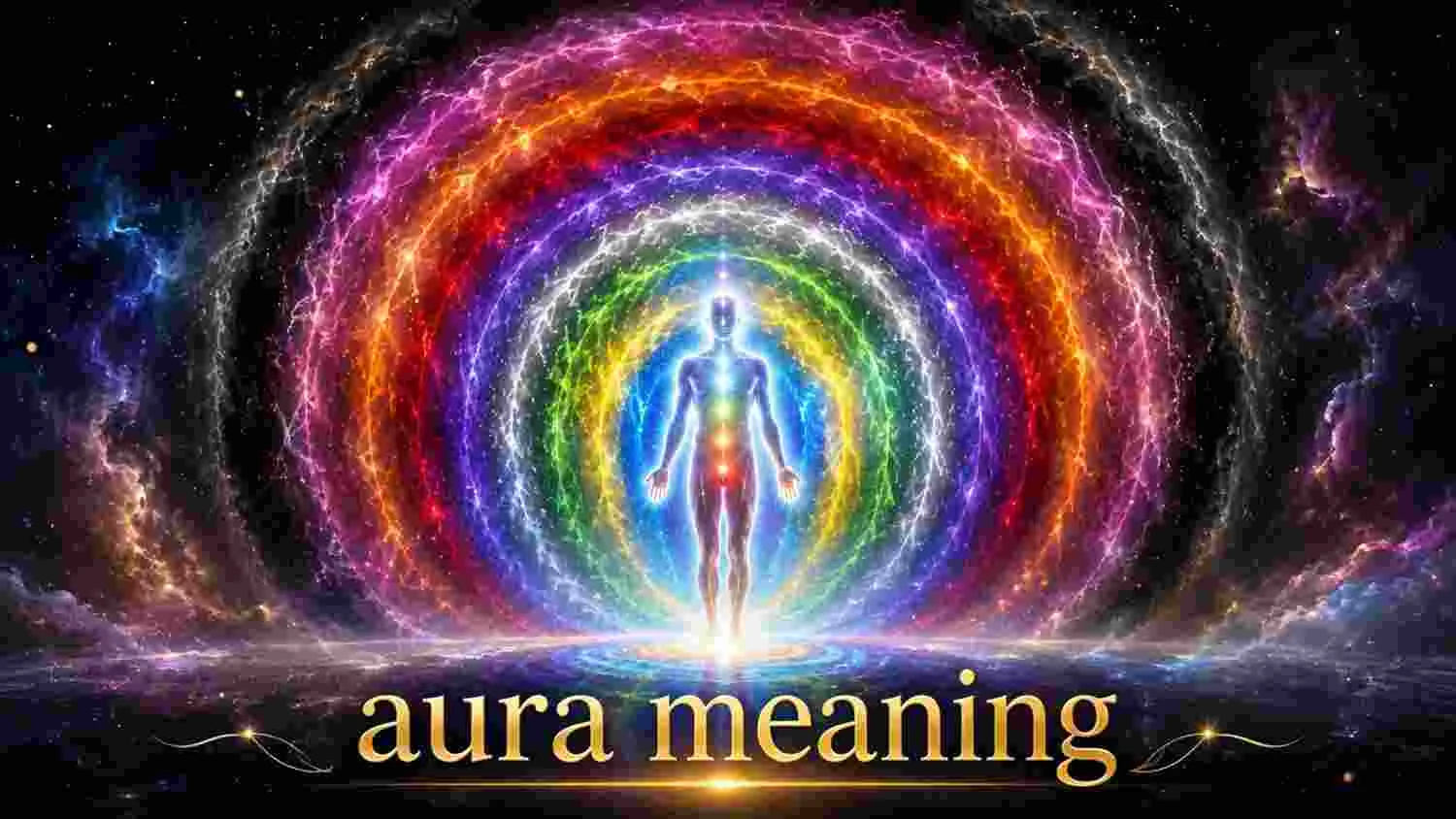
Aura Meaning: What Your 9 Aura Colors Reveal About You
By Maya Chen, Certified Reiki Master and Aura Reading Instructor | Reviewed by Dr. Elena Ross, PhD
Published: August 18, 2026
Confused by sudden mood shifts or repeated energy drains? Your aura often tells the story before words do. Many people overlook the aura meaning behind daily emotions and physical sensations. Learning to read your aura colors gives you a simple map to understand hidden stress, personal strengths, and relationships. This guide breaks down nine aura color meanings with practical steps you can use today.
What Is an Aura?
Your aura is a layered energy field surrounding your body. It holds emotional, mental, and physical information. Many traditions describe this glow as a vibration or biofield. The colors and clarity of this field reflect your current state of health, mood, and spiritual alignment.
Consider it your unique energy fingerprint. It shifts with your thoughts, environment, and interactions. Practitioners read the colors, brightness, and location of this field to understand what your body and mind are processing.
How the Aura Meaning Works in Daily Life
Every color in your aura carries a different signal. Bright, clear colors usually indicate balance and vitality. Dull or muddy shades often point to stress, fatigue, or unresolved emotion. Reading this energy helps you catch these shifts before they become physical symptoms.
- Bright colors = clear energy and balanced emotion
- Dark or cloudy patches = stuck stress or tiredness
- Color placement near the head, heart, or hands shows where attention is needed
Why Your Aura Color Changes Over Time
Your aura meaning changes with your inner state. Sleep, food, conversation, and even music can shift your energy field. A person is not locked into one color forever. Many people show a dominant color plus one or two temporary layers based on the day. Learning to notice these changes gives you real-time feedback about what supports or drains you.
The 9 Aura Colors and Their Meanings
Below is a quick reference table. Each row shows the core aura meaning, positive traits, warning signs, and a simple balancing action.
| Color | Core Meaning | Positive Traits | Warning Signs | Balancing Practice |
| Blue | Calm, clear communication, truth | Honest, peaceful, intuitive | Overthinking, throat tension, isolation | Journaling, singing, drinking water |
| Yellow | Mental energy, optimism, personal power | Playful, confident, creative | Anxiety, overwork, perfectionism | Sunlight, laughter, setting boundaries |
| Green | Growth, healing, heart-centered love | Compassionate, nurturing, balanced | Jealousy, people-pleasing, burnout | Nature walks, breathwork, saying no |
| White | Purity, spiritual connection, protection | High intuition, clarity, peaceful | Detachment, overwhelm, sensitivity | Grounding, meditation, earthing |
| Purple | Intuition, vision, spiritual insight | Wise, imaginative, deeply connected | Escapism, mental fog, sleep issues | Third-eye meditation, dream journaling |
| Red | Vitality, passion, physical drive | Courageous, energetic, grounded | Anger, impatience, burnout | Exercise, grounding foods, cooling breath |
| Orange | Creativity, emotional expression, pleasure | Sociable, adventurous, warm | Restlessness, overindulgence, mood swings | Art, dancing, nature time |
| Pink | Love, kindness, emotional softness | Gentle, romantic, caring | Codependency, hurt feelings, self-neglect | Self-compassion, heart meditation |
| Black | Protection, hidden energy, transition | Strong boundaries, depth, resilience | Grief, fatigue, energetic shielding | Rest, counseling, slow breathwork |
This chart gives you a starting point. Real readings always depend on shade, location, and brightness.
Blue Aura Meaning
A blue aura often shows calm, honest energy. People with strong blue fields value clear communication and peaceful environments. They may work well as teachers, counselors, or writers. When blue appears dull, watch for throat tension or unspoken words.
Yellow Aura Meaning
Yellow points to mental sharpness and optimism. It carries the energy of sunlight, laughter, and self-esteem. A bright yellow field often appears in creative or high-focus states. If yellow becomes muddy, anxiety or overthinking may be building.
Green Aura Meaning
Green is the color of growth and heart-centered care. Green connects to the heart chakra. A green aura often shows someone in a healing or nurturing phase. It may appear in nurses, gardeners, or anyone practicing compassion. Dark green patches can signal jealousy or withheld emotion.
White Aura Meaning
White represents purity, protection, and spiritual connection. Many people see a white field during deep meditation or after a major release. It often indicates a strong link to intuition and high sensitivity. Too much white without grounding can create overwhelm or detachment.
Purple Aura Meaning
Purple links to intuition, vision, and higher awareness. It activates the third eye chakra. A purple field often appears in artists, mystics, and deep thinkers. It signals an active imagination and strong inner sight. If purple turns foggy, rest and dream journaling help restore clarity.
Red Aura Meaning
Red carries the vibration of physical energy and passion. A red aura often shows courage, drive, and strong survival instincts. It can burn too hot when anger or impatience takes over. Physical exercise and cooling foods bring red back into balance.
Orange Aura Meaning
Orange blends red’s drive with yellow’s joy. An orange field suggests creative flow and emotional expression. It supports social connection and pleasure. Overindulgence or scattered energy may dim this color.
Pink Aura Meaning
Pink shows love, kindness, and emotional softness. A pink field often appears in people with gentle hearts and strong empathy. It can signal a need for self-care when the color becomes pale or grey. Boundaries protect pink energy without closing the heart.
Black Aura Meaning
Black often means protection or transition, not something evil. A black field may appear during grief, deep rest, or heavy shielding. It can also show a person with strong boundaries and hidden depth. Rest and slow, grounded practices help bring light back when the time is right.
How to See Your Aura: A Simple 5-Step Practice
You do not need special tools to begin aura reading. Use this method:
- In front of a plain white wall, take a seat or stand.
- Soften your gaze and look slightly past your hand or head.
- Notice a faint glow or color around the edges.
- Record the first color or impression you receive.
- Repeat for seven days and compare shifts in your aura meaning.
This practice works best in natural daylight. Avoid straining your eyes. The first color often holds important clues about your current emotional state.
How to Cleanse and Strengthen Your Aura
A clean aura feels light, clear, and resilient. Try these simple practices:
- Rinse with cool water after stressful interactions.
- Spend 10 minutes barefoot on grass or soil.
- Burn sage, palo santo, or use sound from a singing bowl.
- Practice slow breathing with attention on the area around your body.
- Rest without screens for one hour before sleep.
Each action helps restore the natural vibration of your energy field.
Aura Colors vs. Mood: What Science Says
Color psychology research shows that colors influence mood and attention. A 2014 review in the Annual Review of Psychology found red can raise alertness while blue supports calm focus. Energy healing traditions like those described by Barbara Brennan in Hands of Light map similar color meanings to the human energy field. While science does not yet measure auras directly, many practitioners use color-emotion links as a practical self-assessment tool.
Common Myths About Aura Reading
- Myth: Auras are only visible to psychics. Anyone can learn with practice.
- Myth: One aura color defines you forever. Colors shift constantly.
- Myth: Dark colors are always bad. Black or grey often signals rest or protection.
- Myth: Aura reading replaces medical care. It is a self-awareness tool, not a diagnosis.
How to Use Aura Colors for Better Relationships
Observe the colors you feel around others. A bright yellow friend may energize you, while a green partner may help you feel safe. If a color repeatedly drains you, set a boundary. Checking your aura meaning before and after interactions reveals which connections nourish or deplete you.
Frequently Asked Questions About Aura Colors
Q: What does aura meaning include?
A: Your aura meaning includes color, brightness, and placement of the energy field around your body. It reflects emotional, mental, and physical states.
Q: Can my aura color change from day to day?
A: Yes. Sleep, stress, food, and relationships shift your energy field. You may notice a dominant color plus temporary layers.
Q: How do I know my aura color?
A: Use the soft-gaze practice against a white wall, or ask an experienced reader. The first color you see often matches your current state.
Q: Is a black aura dangerous?
A: No. Black often signals protection, deep rest, or transition. It calls for grounding and self-care, not fear.
Q: Which aura color is most powerful?
A: No single aura color is strongest. Each serves a purpose. Balance and brightness matter more than the color itself.
Q: How often should I check my aura?
A: For most people, once a day is plenty. Morning and evening check-ins reveal daily energy shifts without overthinking.
Read Your Energy, Change Your Life
Start with one color. Observe it in the morning, after work, and before sleep. Note what changes. Share your results below or with a friend. Your aura meaning is not a fixed label; it is a living map. Use it to make small, supportive changes every day.
Sources
- Barbara Brennan, Hands of Light: A Guide to Healing Through the Human Energy Field (Bantam, 1988).
- Valerie Hunt, Infinite Mind: Science of the Human Vibrations of Consciousness (Malibu Publishing, 1996).Wheels of Life: A User’s Guide to the Chakra System by Anodea Judith (Llewellyn, 1987). Elliot, A. J., & Maier, M. A. (2014). Color psychology: Effects of perceiving color on psychological functioning. Annual Review of Psychology, 65, 95–120.
- “Energy Medicine: What the Science Says,” National Center for Complementary and Integrative Health (nccih.nih.gov).
About the Author
Maya Chen is a certified Reiki Master and aura reading instructor with 12 years of practice. She has taught energy literacy workshops for over 5,000 students. Dr. Elena Ross holds a PhD in clinical psychology and researches color-emotion links. This article follows current health and wellness guidelines and is not medical advice.