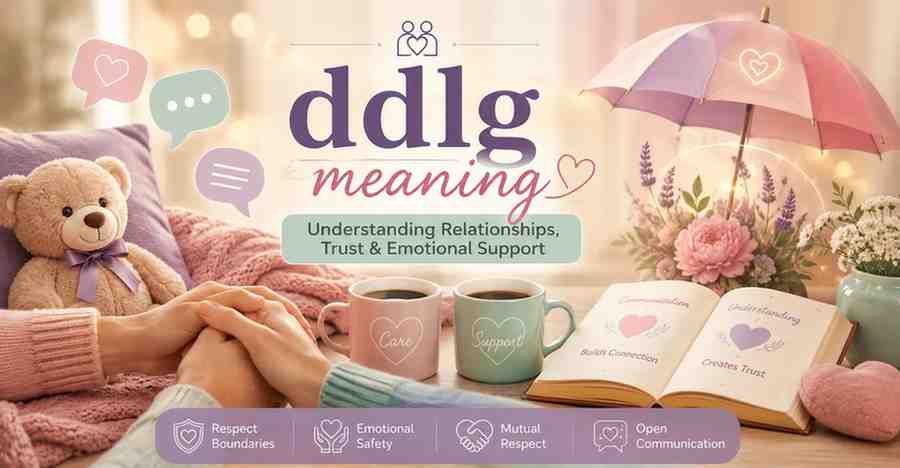
Understanding DDLG: A Comprehensive Guide to Dynamics, Boundaries, and Relationships
Introduction
You’ve encountered the term DDLG and feel confused about what it truly represents. The abbreviation appears across forums and relationship discussions, yet finding clear, judgment-free information feels impossible. Understanding relationship dynamics helps people make informed choices about their personal connections and boundaries. This guide breaks down the ddlg meaning with honesty, respect, and practical knowledge that empowers your understanding of consensual adult relationships.
What Does DDLG Mean?
DDLG stands for “Daddy Dom/Little Girl,” representing a specific relationship dynamic within the broader BDSM and power exchange community. This consensual arrangement involves two adults who adopt specific roles that create a caregiver and dependent dynamic.
The ddlg meaning centers on emotional connection rather than biological age. One partner assumes a nurturing, protective role (the Daddy Dom or “Daddy”), while the other embraces a more playful, dependent persona (the Little Girl or “Little”). Both participants are consenting adults who freely choose these roles.
Key characteristics include:
- Role-based interaction: Partners adopt specific personas during their dynamic
- Emotional nurturing: The Dom provides guidance, care, and structure
- Playful regression: The Little explores youthful behaviors and interests
- Consensual power exchange: Both parties agree to their respective roles
- Boundary establishment: Clear communication defines acceptable behaviors
According to research from the Journal of Sex Research, power exchange relationships function healthily when built on explicit consent, communication, and mutual respect.
The Psychology Behind DDLG Relationships
Understanding the ddlg meaning requires examining the psychological foundations that attract people to this dynamic. These relationships fulfill specific emotional needs that conventional partnerships might not address.
Emotional Safety and Trust
The caregiver role provides a secure environment where the Little feels protected. This dynamic creates space for vulnerability without judgment. Partners experience deep emotional bonding through structured care and dependence.
Stress Relief and Escapism
Modern life brings overwhelming responsibilities. The Little role offers temporary escape from adult pressures. Regression activities like coloring, watching cartoons, or using childlike language help release tension.
Structured Guidance
Some individuals thrive with clear expectations and gentle discipline. The Daddy Dom establishes rules that provide structure. This framework helps Littles feel grounded and cared for.
Nurturing Expression
The Dom role satisfies desires to protect, guide, and nurture. Many Daddy Doms find fulfillment in their partner’s happiness and growth. This creates reciprocal emotional satisfaction.
Research from the Archives of Sexual Behavior indicates that BDSM practitioners often report higher relationship satisfaction due to enhanced communication skills and boundary awareness.
Common Misconceptions About DDLG
The ddlg meaning gets distorted through misinformation and societal misunderstanding. Clearing these misconceptions promotes accurate comprehension.
Misconception 1: DDLG Involves Minors
Reality: DDLG exists exclusively between consenting adults. Any involvement of actual children represents illegal abuse, not DDLG. The dynamic uses age regression as roleplay, not actual age.
Misconception 2: DDLG Equals Incest Fantasy
Reality: The “Daddy” title represents a caregiver archetype, not a biological parent. Participants do not roleplay family relationships. The terminology describes protective qualities.
Misconception 3: Littles Are Weak or Damaged
Reality: Choosing the Little role demonstrates self-awareness and confidence. These individuals understand their emotional needs and communicate them clearly. Strength appears in vulnerability.
Misconception 4: DDLG Is Always Sexual
Reality: While some DDLG relationships include sexual elements, many focus purely on emotional connection. Activities often center on non-sexual caregiving like bedtime stories, snacks, or comfort.
Misconception 5: DDLG Promotes Unhealthy Dependencies
Reality: Healthy ddlg dynamics maintain clear boundaries between roleplay and reality. Partners function independently outside their dynamic. The relationship enhances life rather than replacing it.
Different Types of DDLG Dynamics
The ddlg meaning encompasses various relationship structures. Each couple customizes their dynamic to match personal preferences and comfort levels.
Full-Time Dynamics
Partners maintain their roles consistently, integrating them into daily life. The power exchange remains constant, though intensity may fluctuate. Strong communication and complementary lifestyles are necessary for this.
Part-Time or Scene-Based Dynamics
Couples activate their DDLG roles during specific times or “scenes.” Outside these periods, they interact as equals. This flexibility suits people with demanding careers or public-facing lives.
Non-Sexual DDLG
The relationship focuses exclusively on emotional caregiving without sexual activity. Comfort, guidance, and playful interaction form the foundation. This appeals to asexual individuals or those separating emotional from physical intimacy.
Sexual DDLG
Physical intimacy combines with the caregiver dynamic. Consent negotiations become extremely important. Partners discuss boundaries around age regression and sexual activities separately.
Online or Long-Distance DDLG
Technology enables dynamics across geographical distances. Video calls, messaging, and care packages maintain connection. This requires creativity and extra communication effort.
Essential Rules and Boundaries in DDLG Relationships
Successful ddlg dynamics require clear guidelines that protect both partners. These boundaries create safety and prevent misunderstandings.
Establishing Hard and Soft Limits
Hard limits represent non-negotiable boundaries that partners never cross. Soft limits indicate areas of discomfort that might be explored gradually with explicit permission. Document these limits in writing.
Safe Words and Communication Signals
Partners need immediate ways to pause or stop activities. Safe words like “red” (stop), “yellow” (slow down), and “green” (continue) provide clear communication. Non-verbal signals help when speech becomes difficult.
Rules for the Little
Common Little rules include:
- Bedtime schedules
- Screen time limitations
- Healthy eating requirements
- Daily check-ins with Daddy
- Permission-based decisions
Responsibilities of the Daddy Dom
The Dom commits to:
- Consistent availability and attention
- Fair, agreed-upon discipline
- Emotional support and validation
- Protection of the Little’s wellbeing
- Respecting established boundaries
Regular Relationship Check-Ins
Schedule neutral discussions outside your dynamic. Review what works, what needs adjustment, and how both partners feel. Healthy relationships evolve through honest evaluation.
According to the National Coalition for Sexual Freedom, clear boundary communication significantly reduces relationship conflicts in alternative dynamics.
How to Explore DDLG Safely
Understanding the ddlg meaning intellectually differs from practical exploration. Safe entry into this dynamic requires careful steps.
Self-Reflection First
Ask yourself:
- What attracts me to this dynamic?
- Which role feels authentic to me?
- What emotional needs would this fulfill?
- Am I comfortable with potential judgment?
Research and Education
Read books, articles, and community discussions. The BDSM subreddit and FetLife provide educational resources. Understanding the broader context prevents mistakes.
Finding Compatible Partners
Discuss interests early when dating. Compatibility in vanilla aspects matters equally to dynamic compatibility. Shared values create stronger foundations.
Starting Small
Begin with simple activities:
- Using nicknames (Daddy/Little)
- Trying age-appropriate activities (coloring books, stuffed animals)
- Implementing one or two rules
- Scheduling dedicated “Little time”
Joining Communities
Online and local BDSM communities offer support and knowledge. Munches (casual social gatherings) provide low-pressure meeting opportunities. Experienced practitioners share valuable insights.
DDLG Activities and Lifestyle Elements
The ddlg meaning comes alive through specific activities that reinforce the dynamic. These range from simple to elaborate.
Caregiving Activities
- Preparing favorite snacks or meals
- Helping with bedtime routines
- Choosing outfits for the Little
- Brushing or styling the Little’s hair
- Reading bedtime stories
Little Space Activities
- Coloring books and crayons
- Watching cartoons or animated movies
- Playing with toys or stuffed animals
- Building blanket forts
- Drinking from sippy cups or bottles
Discipline and Reward Systems
- Sticker charts for completed tasks
- Time-outs for rule violations
- Reward treats for good behavior
- Loss of privileges as consequences
- Praise and affirmation for achievements
Bonding Experiences
- Shopping for Little items together
- Planning special “Little days”
- Creating rituals around transitions into/out of roles
- Photography sessions capturing the dynamic
- Journaling about experiences together
Communication Strategies for DDLG Couples
Effective communication strengthens the ddlg dynamic and prevents misunderstandings. These strategies promote healthy interaction.
Pre-Scene Negotiation
Before engaging your dynamic, discuss:
- Current emotional states
- Energy levels and availability
- Specific activities planned
- Any temporary boundary adjustments
- Expectations for the session
During-Scene Communication
Maintain ongoing consent through:
- Periodic check-ins (“How are you feeling?”)
- Body language awareness
- Encouraging the Little to express needs
- The Dom verbalizing actions before taking them
- Immediate response to safe words
Post-Scene Aftercare
Aftercare helps partners transition back to baseline. Include:
- Physical comfort (cuddling, blankets, water)
- Emotional reassurance and validation
- Discussion of what went well
- Addressing anything uncomfortable
- Planning recovery time
Conflict Resolution
Disagreements require stepping out of roles. Address issues as equals. Use “I feel” statements rather than accusations. Focus on solutions instead of blame.
DDLG and Mental Health Considerations
The relationship between ddlg dynamics and psychological wellbeing requires thoughtful examination.
Healthy Coping Mechanism
For some, age regression provides healthy stress relief. The dynamic creates safe space for emotional expression. This differs from unhealthy escapism when it enhances rather than replaces life engagement.
Warning Signs of Unhealthy Dynamics
Monitor for:
- Isolation from friends and family
- Financial control or exploitation
- Inability to function outside the dynamic
- Violation of established boundaries
- Using the dynamic to avoid addressing trauma
When Professional Help Benefits
Therapy supports healthy DDLG exploration by:
- Processing trauma separately from the dynamic
- Developing communication skills
- Addressing attachment issues
- Distinguishing between healing and coping
- Building self-awareness
Finding Kink-Aware Professionals
The Kink Aware Professionals directory connects individuals with therapists who understand alternative relationships. These professionals provide judgment-free support.
Research published in the Journal of Sexual Medicine found that BDSM practitioners generally demonstrate mental health profiles comparable to or better than the general population.
DDLG Versus Other Power Exchange Dynamics
Understanding how ddlg meaning differs from similar dynamics clarifies its unique characteristics.
DDLG vs. MDLB (Mommy Dom/Little Boy)
MDLB follows identical principles with reversed gender roles. The dynamic functions the same way, centered on caregiving and age regression.
DDLG vs. ABDL (Adult Baby/Diaper Lover)
ABDL focuses on infant regression rather than childhood. Activities center on baby-like behaviors including diaper wearing. DDLG typically involves older child personas.
DDLG vs. Traditional Dom/Sub
Standard D/s relationships emphasize authority and obedience without the caregiving or age regression elements. DDLG incorporates nurturing as central to the power exchange.
DDLG vs. Age Play
Age play serves as an umbrella term covering various age regression scenarios. DDLG represents one specific type under this broader category.
DDLG vs. CGL (Caregiver/Little)
CGL encompasses all caregiver dynamics regardless of gender. DDLG specifies the Daddy Dom and Little Girl pairing within the CGL spectrum.
Building a Sustainable DDLG Relationship
Long-term success in ddlg dynamics requires intentional relationship maintenance beyond understanding the ddlg meaning.
Balancing Dynamic and Reality
Maintain individual identities outside your roles. Pursue separate hobbies and friendships. Ensure the dynamic enriches your life without consuming it entirely.
Growing Together
Interests and needs evolve over time. Revisit negotiations regularly. Experiment with new activities. Allow your dynamic to mature alongside your relationship.
Managing Outside Perception
Decide together:
- Who knows about your dynamic
- How to handle questions
- Navigating family gatherings
- Protecting privacy in shared spaces
- Responding to judgment
Financial Considerations
DDLG can involve expenses:
- Little items and clothing
- Toys and entertainment
- Dates and experiences
- Safety equipment
- Community event attendance
Budget realistically and communicate about money openly.
Creating Traditions
Establish rituals unique to your relationship:
- Anniversary celebrations of your dynamic
- Monthly “Little adventures”
- Seasonal activities together
- Special nicknames or phrases
- Symbolic items representing your bond
Legal and Ethical Considerations
Responsible exploration of the ddlg meaning includes understanding legal and ethical boundaries.
Age of Consent Laws
All participants must meet legal adulthood requirements in their jurisdiction. Typically this means 18+ years old. Relationships involving minors constitute abuse, not DDLG.
Consent Documentation
While not legally required, some couples maintain written consent agreements. These documents outline negotiated activities and boundaries. They demonstrate mutual agreement.
Privacy and Discretion
Consider:
- Employment policies on alternative lifestyles
- Housing situations and roommates
- Social media privacy settings
- Photo and video consent
- Shared device security
Community Ethics
Responsible community participation means:
- Never exposing non-consenting people to your dynamic
- Respecting others’ boundaries and limits
- Contributing positively to community spaces
- Supporting newcomers with accurate information
- Calling out predatory behavior
Recognizing Abuse
DDLG dynamics should never excuse abuse. Warning signs include:
- Forced participation or coercion
- Isolation from support systems
- Financial exploitation
- Non-consensual public exposure
- Refusal to respect safe words
Organizations like the National Domestic Violence Hotline provide resources for people in unsafe situations, including those in alternative relationships.
Resources for DDLG Community Members
Finding reliable information enhances understanding of ddlg meaning and practice.
Online Communities
- Reddit’s DDLG and CGL communities: Discussion forums with rules and educational resources
- FetLife: Social network for BDSM practitioners with groups and event listings
- Discord servers: Real-time chat communities offering support and friendship
- Tumblr and Twitter: Content creators sharing experiences and advice
Educational Resources
- Books: “The Loving Dominant” by John Warren, “SM 101” by Jay Wiseman
- Podcasts: “Why Are People Into That?!” covering various kinks
- Workshops: Local and virtual classes on negotiation and safety
- Conventions: Events like DomCon offering education and community
Safety Organizations
- National Coalition for Sexual Freedom: Legal support and education
- Kink Aware Professionals: Directory of understanding therapists and medical providers
- The Consent Academy: Training on consent culture and communication
Shopping Resources
- Online retailers: Specialty stores offering Little items and BDSM equipment
- Craft communities: DIY groups for creating personalized items
- Mainstream stores: Many Little items available at regular retailers
- Etsy shops: Handmade, custom items from community artisans
FAQs About DDLG Meaning and Dynamics
Q1: Is DDLG always a romantic relationship?
No, DDLG relationships can be romantic, platonic, or purely dynamic-based. Some people maintain DDLG connections without traditional romantic or sexual involvement. The caregiving bond forms the foundation, which partners customize to their needs. Communication about relationship expectations prevents misunderstandings about the nature of your connection.
Q2: Can same-sex couples practice DDLG dynamics?
Absolutely. DDLG dynamics work for any gender combination. Gay, lesbian, and queer couples successfully navigate these relationships. The terms might change (Daddy/Little Boy, Mommy/Little Girl, etc.), but the core dynamic remains identical. Gender identity and sexual orientation don’t limit participation in consensual power exchange relationships.
Q3: How do I tell my partner I’m interested in DDLG?
Start by sharing general information about relationship dynamics and power exchange. Gauge their openness to alternative relationship styles. When ready, explain what specifically attracts you to DDLG and what you hope to experience. Emphasize consent, boundaries, and mutual benefit. Provide resources they can review independently. Accept that they may need time to process or may not share your interest.
Q4: What age range does “Little” typically represent?
Little age ranges vary widely based on personal preference. Some Littles feel ages 2-4, enjoying toddler activities. Others identify with ages 5-10, preferring elementary-age interests. A few embrace teenage regression around 13-16. Partners negotiate the specific age range that feels authentic and comfortable. Age can also fluctuate based on mood and context.
Q5: Do I need special equipment or items to practice DDLG?
No special equipment is required to explore the ddlg meaning in your relationship. Many couples begin with just mindset and communication. AsSome add plush animals, coloring books, or certain clothes as their level of comfort increases. Others invest in more elaborate setups. Start simple and expand based on what enhances your connection. The emotional dynamic matters more than material possessions.
Q6: Can DDLG dynamics exist in monogamous relationships?
Yes, many DDLG relationships are completely monogamous. The dynamic represents how partners interact with each other, not necessarily involving others. Some people practice DDLG within polyamorous structures, while others maintain exclusive partnerships.The people involved and their agreements determine the structure of a relationship. DDLG compatibility exists across various relationship models.
Conclusion
Understanding the ddlg meaning opens doors to recognizing diverse relationship expressions that bring consenting adults fulfillment and joy. This dynamic thrives on honest communication, mutual respect, and clear boundaries that protect both partners. Whether you’re considering exploring this lifestyle or simply seeking knowledge, remember that healthy relationships—regardless of structure—prioritize consent, safety, and emotional wellbeing.
Give your own needs and desires some thought. . Research thoroughly before making decisions. Connect with communities that offer support and education. Most importantly, approach this dynamic with self-awareness, respect for your partner, and commitment to ongoing communication.
Leave a remark below with your ideas or inquiries. . What aspects of relationship dynamics interest you most? Your experiences contribute to breaking down stigma and building understanding in our diverse community.
Author Bio: This comprehensive guide draws from academic research, community standards, and relationship psychology principles. Information presented reflects current understanding within the consensual BDSM and alternative relationship communities, supported by peer-reviewed research and established safety protocols.
Sources:
- Journal of Sex Research – Studies on power exchange relationships
- Archives of Sexual Behavior – Research on BDSM practitioner wellbeing
- Journal of Sexual Medicine – Mental health profiles of BDSM participants
- Legal and instructional materials from the National Coalition for Sexual Freedom
- Kink Aware Professionals – Mental health support directory